 admin
admin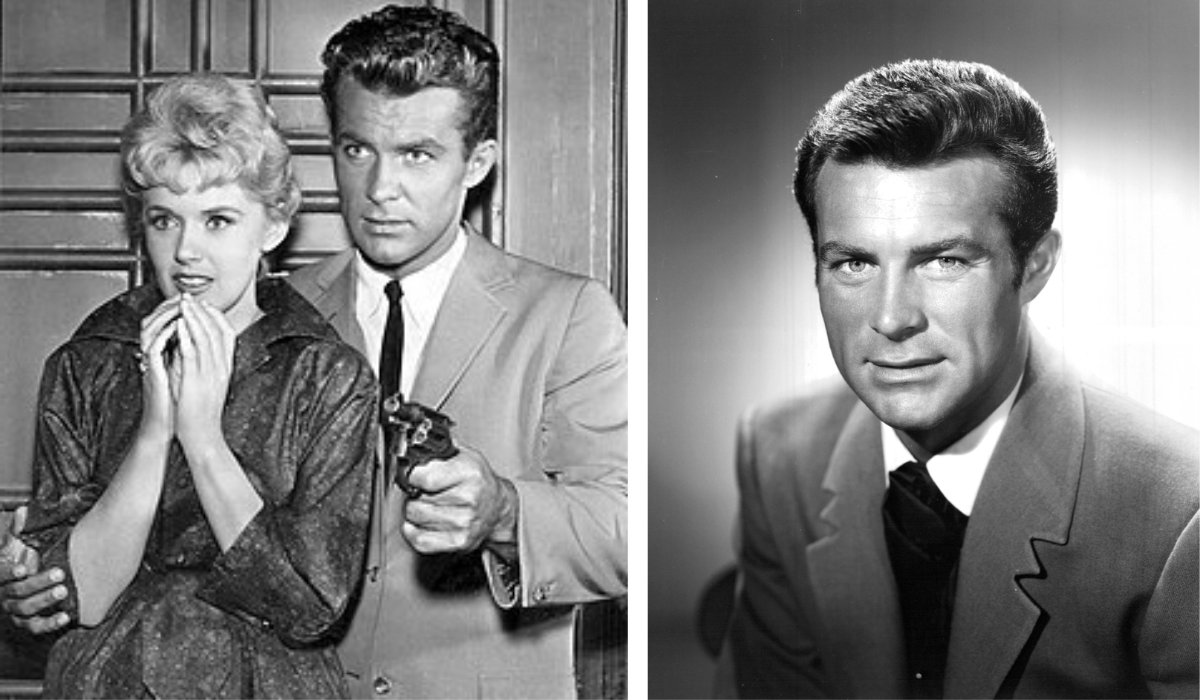
Early Life in Chicago
Robert Conrad was born on March 1, 1935, in Chicago, Illinois, and grew up with a strong work ethic. His early years were far removed from Hollywood glamour. He attended several schools and left home as a teenager, later supporting himself through demanding jobs. Before acting, he worked as a truck loader, milk-truck driver, and nightclub singer. These experiences helped shape the toughness and independence that later became part of his screen image.
Quick Bio
| Detail | Information |
|---|---|
| Full Name | Conrad Robert Falk |
| Born | March 1, 1935 |
| Birthplace | Chicago, Illinois |
| Profession | Actor, Singer, Stuntman |
| Best Known For | The Wild Wild West |
| Famous Character | James T. West |
| Other Major Role | Pappy Boyington |
| Died | February 8, 2020 |
| Age at Death | 84 |
| Place of Death | Malibu, California |
Family Background
Robert Conrad came from a working-class Chicago family with German ancestry. His great-grandfather emigrated from Germany, while his grandfather established meat shops in Chicago. Family life and early responsibilities gave him a practical outlook that stayed with him throughout his career. Rather than entering entertainment through a conventional path, he built his opportunities gradually. His background also contributed to the determined personality that audiences later recognized in his action-oriented television roles.
Education and Early Work
Although Robert Conrad attended Northwestern University, his route into entertainment was unconventional. He supported himself while developing skills that would eventually help him in Hollywood. His athletic interests included football and boxing, while singing provided another way to earn money. He also became interested in acting after meeting people connected with the entertainment business. Those early experiences gave him confidence in physical performance and prepared him for the demanding roles that would define his career.
Move to Hollywood
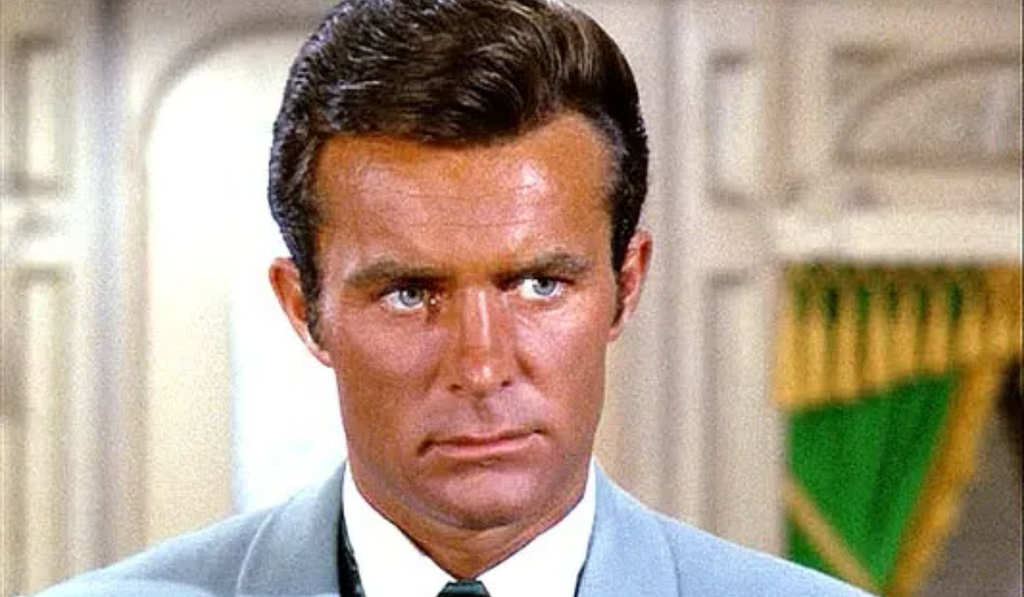
After spending his early adulthood in Chicago, Robert Conrad moved toward Hollywood and initially found work in small roles and as a stunt performer. His physical ability became a major advantage because he could handle action scenes himself. Instead of relying entirely on doubles, he became known for participating in demanding sequences. His combination of appearance, athleticism, and willingness to perform stunts helped him attract attention from producers and eventually led to a Warner Bros. television contract.
First Television Opportunities
The actor gained early exposure through appearances in television programs including Maverick, Highway Patrol, Lawman, Colt .45, Sea Hunt, and other series. These parts were important because they allowed him to learn the pace and discipline of television production. He was still developing his identity as a performer, but his screen presence was already noticeable. The mixture of western, adventure, and crime programming also prepared him for the genre-crossing roles that became central to his later success.
Hawaiian Eye Breakthrough
A major turning point came when the Chicago-born actor was cast as private investigator Tom Lopaka in Hawaiian Eye. The ABC series premiered in 1959 and became an important early success for him. Lopaka was confident, adventurous, and physically capable, qualities that fit his strengths. The series ran through 1963 and established him as a recognizable television leading man. His work on the show demonstrated that he could carry a weekly adventure series while working effectively within an ensemble cast.
Tom Lopaka Character
The character of Tom Lopaka gave Robert Conrad a platform to develop the confident style audiences would associate with him. The series mixed detective stories with the colorful atmosphere of Hawaii, creating a distinctive setting for weekly adventures. Lopaka worked alongside Anthony Eisley’s Tracy Steele, while characters played by Connie Stevens and Poncie Ponce added personality to the show. Conrad’s performance balanced toughness with charm, helping make the character memorable during the program’s successful run.
Music and Singing Career
Before becoming a major television star, Robert Conrad also pursued singing and recorded music. He released recordings during the late 1950s and early 1960s, including material for audiences in the United States and Mexico. His musical work showed that his talents extended beyond acting. Although singing never became his primary profession, it added another dimension to his entertainment career. He occasionally incorporated musical performance into his professional activities while concentrating increasingly on television and film.
The Wild Wild West
The defining role of Robert Conrad came in 1965 when he began playing Secret Service agent James T. West in The Wild Wild West. The CBS series combined western adventure with spy fiction, futuristic inventions, comedy, and larger-than-life villains. West was an unusually modern hero for a period setting, and his athletic performance became a major part of the show’s appeal. His chemistry with Ross Martin, who played Artemus Gordon, helped create one of television’s memorable action partnerships.
James T. West
James T. West allowed Robert Conrad to combine physical action, confidence, humor, and dramatic intensity. The character traveled across the American West on secret missions for the government and regularly confronted unusual threats. Conrad performed many of his own stunts, reinforcing the sense that West was a hands-on hero rather than a character protected by elaborate stunt doubles. His performance helped give the series its distinctive energy and made West one of his most enduring television creations.
Stunts and Physical Performance
Physical performance was central to Robert Conrad’s professional identity. He had an athletic background and was comfortable with fight scenes, falls, horseback riding, and other demanding sequences. His willingness to perform stunts sometimes resulted in injuries, but it also strengthened his reputation as a committed action performer. This quality separated him from many conventional television leading men of his era. His approach to physical storytelling became especially visible during The Wild Wild West and later action-oriented projects.
Later Television Roles
After The Wild Wild West ended, Robert Conrad continued building a varied television career. He appeared in programs and television films while taking leading roles in series such as The D.A. and Assignment: Vienna. He also appeared in Mission: Impossible and other productions. These projects showed that he was not limited to one character type. Although audiences often associated him with action heroes, he continued exploring police, military, adventure, and dramatic roles across several decades.
Baa Baa Black Sheep
One of Robert Conrad’s most notable later roles was Gregory “Pappy” Boyington in Baa Baa Black Sheep, which debuted in 1976. The series was inspired by the real-life Marine Corps aviator’s autobiography and focused on a group of World War II fighter pilots. Conrad brought a forceful personality to Boyington while also learning to fly for the production. The program was later known as Black Sheep Squadron and became an important part of his 1970s television legacy.
Centennial and Dramatic Work
The veteran actor also demonstrated a broader dramatic range in projects such as the television miniseries Centennial. His work during this period showed that his appeal was not restricted to action adventures. He could handle historical stories, serious characters, and long-form television productions. This variety helped extend his career beyond the era that first made him famous. His willingness to accept different roles allowed him to remain a recognizable television performer as audience tastes changed.
Film Career
Although television was his strongest medium, Robert Conrad appeared in numerous films. His credits included Palm Springs Weekend, Young Dillinger, The Bandits, Murph the Surf, The Lady in Red, Wrong Is Right, and other productions. He sometimes worked behind the camera as well, including directing The Bandits. His movie career never replaced his television success, but it gave him opportunities to explore crime stories, western themes, comedy, and action in a different format.
The Lady in Red
In The Lady in Red, Robert Conrad played John Dillinger, adding another historical crime figure to his screen résumé. The role fit naturally with his established ability to portray intense, commanding characters. His work in the film reflected the continuing connection between his career and stories involving outlaws, law enforcement, and dangerous personalities. By this stage, he had accumulated enough experience to move comfortably between television and film without losing the tough, energetic image that audiences recognized.
Jingle All the Way Appearance
Later audiences may also remember Robert Conrad from Jingle All the Way, the 1996 holiday comedy starring Arnold Schwarzenegger and Sinbad. Conrad appeared as Officer Hummell. The role was much smaller and lighter than his classic television performances, but it introduced him to a different generation of viewers. His appearance demonstrated his willingness to take supporting parts late in his career and remain active in entertainment even after the peak years of his television fame.
Family Life
Robert Conrad married Joan Kenlay in 1952, and the marriage ended in divorce in 1977. He later married LaVelda Fann in 1983, and they divorced in 2010. He was the father of eight children and also had many grandchildren. His family members sometimes became involved in his productions. He was known for giving relatives opportunities to work behind and in front of the camera, making entertainment a shared part of family life.
Producing and Directing
Beyond acting, Robert Conrad took an active role in producing and directing projects. His 1980s series High Mountain Rangers was particularly notable because he helped develop and finance the production and involved several family members. This period revealed an entrepreneurial side that was less visible in his earlier television career. He wanted greater control over the kinds of stories being made and demonstrated that his interests extended beyond performing in front of the camera.
Commercial Fame
Robert Conrad became widely recognized outside entertainment programs through a memorable Eveready battery advertising campaign. The commercials used his tough-guy persona and featured the famous challenge associated with the campaign. The ads became closely connected with his public image and helped keep him visible between acting projects. Commercial work also demonstrated how strongly his screen personality had entered popular culture. His intense stare, physical confidence, and direct delivery made the campaign easy for audiences to remember.
Public Image
The public image of Robert Conrad was built around toughness, confidence, independence, and physical courage. Off screen, he was sometimes described as outspoken and difficult, which added to the larger-than-life reputation created by his roles. He also had a humorous side and occasionally played with his tough-guy persona. Rather than avoiding that image, he often embraced it. The contrast between his serious action roles and his willingness to parody himself added complexity to his entertainment legacy.
Career Challenges
Like many long-running performers, Robert Conrad experienced both major successes and professional setbacks. Some television series lasted only briefly, while others became cultural landmarks. He also faced injuries associated with physical production work and dealt with the changing television landscape. Instead of disappearing after his most famous role ended, he repeatedly returned to new projects. His career demonstrates the value of adaptability, especially for performers whose greatest fame comes from a specific era or signature character.
Legacy in Television
The lasting legacy of Robert Conrad rests heavily on his contribution to action television. His performances helped define a style in which leading men were expected to combine acting ability with physical credibility. The Wild Wild West remains particularly influential because it blended genres in a way that was unusual for its time. His work also helped establish a template for television heroes who could fight, perform stunts, use humor, and remain charismatic while driving the story forward.
Influence of The Wild Wild West
The Wild Wild West remains the project most closely associated with Robert Conrad. Its mixture of western settings, espionage, gadgets, disguises, and eccentric villains gave television a distinctive formula. Conrad’s James West provided the physical center of the series, while Ross Martin’s Artemus Gordon supplied inventive disguise work and comic contrast. The partnership became an enduring example of how two contrasting performers can strengthen an action series and create a memorable television dynamic.
Final Years
In his later years, Robert Conrad reduced his acting workload but remained connected to the entertainment world. He continued to appear in selected projects and was remembered through interviews, retrospectives, and reruns of his classic programs. His long career stretched from the 1950s into the early twenty-first century. Even as his screen appearances became less frequent, his signature performances continued to introduce new viewers to the style of classic American action television.
Death and Remembrance
Robert Conrad died on February 8, 2020, in Malibu, California, at the age of 84. His family spokesman said that heart failure was the cause of death. News coverage emphasized his decades of television work, particularly Hawaiian Eye and The Wild Wild West. Tributes also highlighted Baa Baa Black Sheep and his reputation as a performer who embraced physical action. His passing marked the end of a career that had remained connected to American television for more than six decades.
Enduring Popularity
The enduring popularity of Robert Conrad comes from the recognizable qualities he brought to every major performance: confidence, athleticism, determination, and a willingness to take risks. Classic television audiences remember him for characters who were capable and fearless, while later viewers can discover his work through streaming, reruns, film libraries, and television retrospectives. His career remains an example of how a performer can create a strong screen identity and sustain public interest long after a signature series has ended.
Why His Career Still Matters
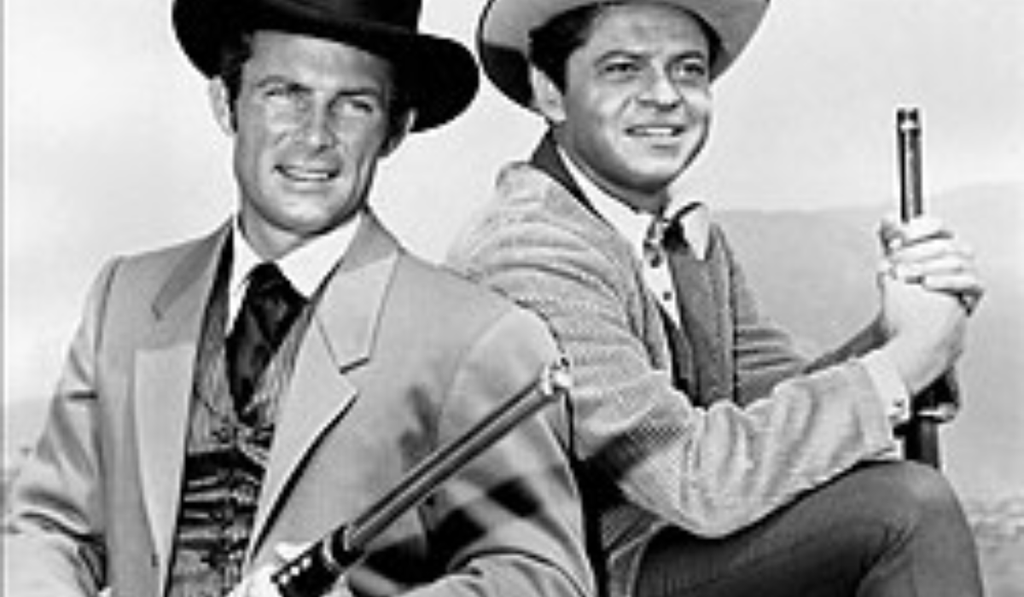
Robert Conrad’s career still matters because it reflects an important period in the development of American television. He worked when weekly adventure programs depended heavily on charismatic performers, practical stunts, and memorable characters. His success across detective stories, westerns, military dramas, and comedy illustrates the versatility required to remain active for decades. His willingness to perform demanding physical scenes also helped shape expectations for action stars who followed.
Key Career Highlights
Several milestones define Robert Conrad’s professional journey. His Hawaiian Eye breakthrough introduced him to national audiences, while The Wild Wild West established his most famous character. Baa Baa Black Sheep gave him another major television role, and later film and television appearances extended his career. His work as a producer and director added another layer to his accomplishments. Together, these achievements show a performer who built a lasting career through persistence, versatility, and a distinctive personal style.
Robert Conrad in Popular Memory
For many viewers, Robert Conrad remains inseparable from the classic television era. His image as James West continues to appear in discussions of memorable action heroes, while his performances as Tom Lopaka and Pappy Boyington broaden the picture of his career. His advertising work also helped preserve his visibility outside television. The combination of iconic roles, physical performances, and a strong personality made him one of the recognizable faces of American entertainment during the second half of the twentieth century.
Conclusion
Robert Conrad left behind a substantial body of television, film, and performance work. From Chicago and early working jobs to major roles in Hawaiian Eye, The Wild Wild West, and Baa Baa Black Sheep, his career reflected determination and versatility. He also explored music, directing, producing, and commercial work. His legacy continues through classic television and film, where his confident performances remain easy to recognize. For further reading, visit the Wikipedia biography of Robert Conrad or another reliable biography and film reference related to his career.
FAQs
1. What was Robert Conrad best known for?
- He was best known for playing James T. West in The Wild Wild West.
2. When was Robert Conrad born?
- He was born on March 1, 1935, in Chicago, Illinois.
3. What role did he play in Hawaiian Eye?
- He played private investigator Tom Lopaka.
4. What was his role in Baa Baa Black Sheep?
- He portrayed World War II aviator Gregory “Pappy” Boyington.
5. When did Robert Conrad die?
- He died on February 8, 2020, in Malibu, California, at age 84.