
 admin
admin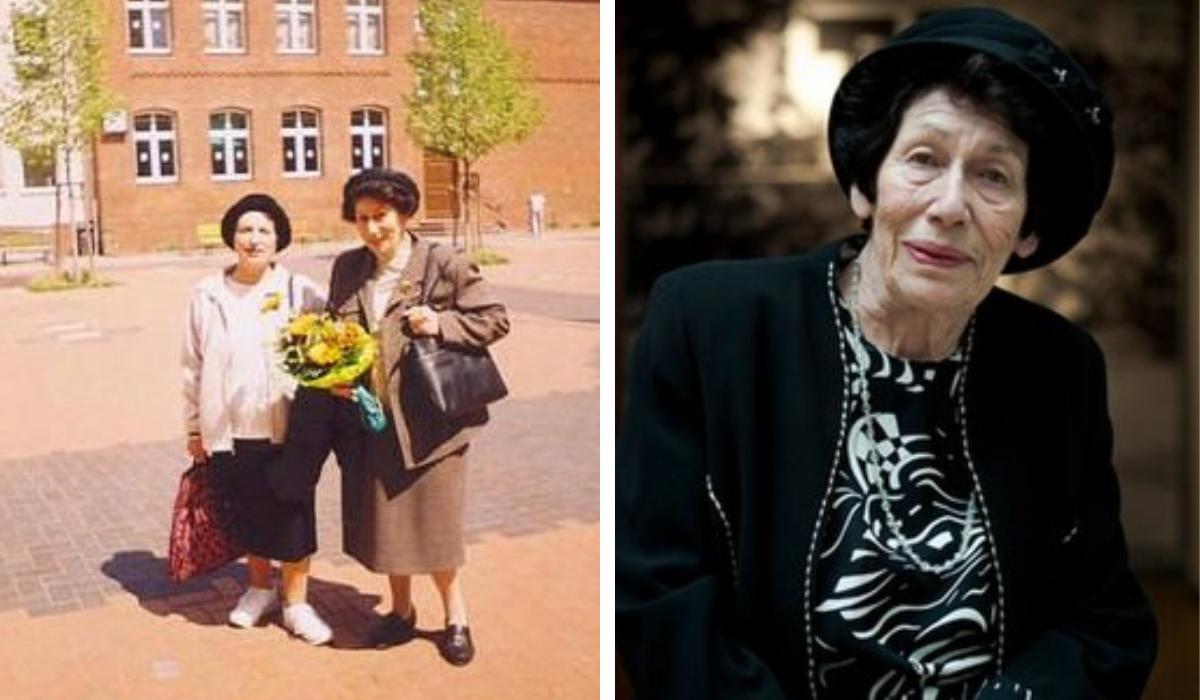
Gabi Goslar was born in Amsterdam during one of the most dangerous periods in European history. Her life became connected to the Holocaust, the persecution of Jewish families, and the story of Anne Frank through her older sister, Hannah Goslar. Unlike many historical figures whose stories are preserved through extensive personal writings, much of Gabi’s history is known through family testimony and archival research. The Anne Frank House identifies her as the younger sister of Hanneli Goslar and records her birth in Amsterdam on October 25, 1940. Her childhood ultimately became a story of survival, loss, courage, and remembrance.
| Quick Bio | Details |
|---|---|
| Full Name | Rachel Gabriële Ida Goslar |
| Known As | Gabi Goslar |
| Born | October 25, 1940 |
| Birthplace | Amsterdam, Netherlands |
| Sister | Hannah “Hanneli” Goslar |
| Historical Connection | Younger sister of Anne Frank’s childhood friend |
| Major Historical Experience | Holocaust persecution and imprisonment |
| Bergen-Belsen Connection | Held there as a young child |
| Liberation | Survived the final wartime transport |
| Later Life | Maintained a relatively private life |
| Historical Importance | Represents the experiences of Jewish child survivors |
Gabi Goslar Early Life and Birth
Gabi Goslar entered the world in Amsterdam on October 25, 1940, only months after Nazi Germany invaded the Netherlands. Her birth therefore took place against a background of occupation, uncertainty, and increasing restrictions on Jewish families. Her parents had roots in Germany and had sought safety in the Netherlands as persecution intensified. According to the Anne Frank House research database, her full name was Rahel Gabriële Ida Goslar. Her earliest years were shaped by circumstances no child should have experienced. Instead of growing up in ordinary peacetime surroundings, she spent her formative years under an increasingly oppressive Nazi occupation.
Gabi Goslar Family Background
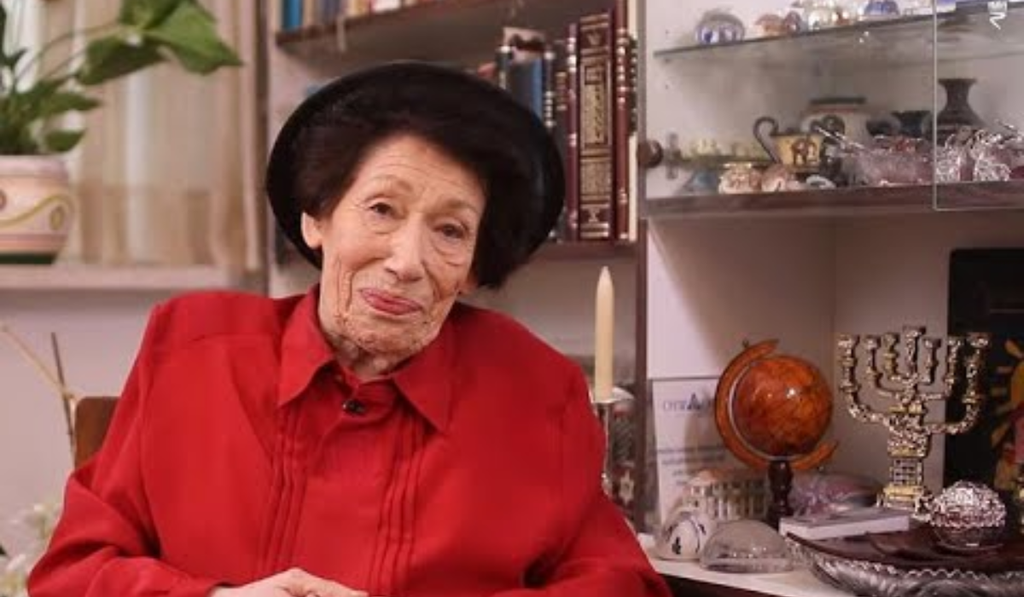
Gabi Goslar belonged to a Jewish family that had experienced displacement before the Holocaust reached its most devastating stage. Her father, Hans Goslar, and mother, Ruth Goslar, built their family life in Amsterdam after leaving Germany. Her older sister Hannah became particularly important in later historical accounts because she had been a close childhood friend of Anne Frank. Gabi was considerably younger than Hannah and was still a toddler when Anne and Hannah were growing up together. This family connection later placed Gabi close to one of the best-known personal stories associated with the Holocaust, although her own experiences were distinct and deeply significant.
Gabi Goslar and Hannah Pick-Goslar
The relationship between the sisters was central to their survival. Hannah, later widely known as Hannah Pick-Goslar, was old enough to understand more about the changing political situation than her younger sister. Gabi depended heavily on family members during a childhood disrupted by persecution, deportation, illness, hunger, and separation. The Anne Frank House describes Gabi as Hanneli Goslar’s youngest sister and records that she was eventually taken to Bergen-Belsen with her family. Their shared ordeal demonstrated how family bonds could provide emotional and practical support during conditions designed to destroy both individual lives and communities.
Gabi Goslar Connection to Anne Frank
The connection between Gabi Goslar and Anne Frank is often misunderstood. Gabi was too young to have the same childhood friendship with Anne that her sister Hannah had. Instead, the connection came through Hannah, who was one of Anne Frank’s close friends in Amsterdam. Anne’s diary refers to Hanneli, while later historical testimony helped document what happened to the Goslar family. The relationship is important because it shows how Anne’s world extended beyond the famous diary. The people around her had their own families, fears, losses, and survival stories, many of which deserve attention independently of Anne’s remarkable historical legacy.
Gabi Goslar Childhood During Nazi Occupation
The Nazi occupation transformed everyday life for Jewish families in the Netherlands. Restrictions gradually removed Jewish people from schools, businesses, public spaces, and ordinary social activities. For a child as young as Gabi, the political reasons behind these measures could not have been fully understood, but their consequences affected every part of family life. Her childhood became increasingly controlled by outside forces. Historical accounts indicate that the Goslar family was eventually caught within the Nazi deportation system. Gabi’s story therefore reflects an important aspect of Holocaust history: young children experienced persecution without having the ability to understand or control what was happening around them.
Gabi Goslar and Westerbork
The Goslar family eventually passed through Westerbork, a transit camp used by the Nazis to deport Jewish prisoners from the Netherlands. For Gabi, this represented a major transition from persecution in occupied Amsterdam to direct imprisonment within the camp system. Sources describing her childhood report that she experienced serious illness while imprisoned, including severe ear problems. Such details highlight the vulnerability of very young children in concentration and transit camps. Medical treatment, food, hygiene, and safety were severely limited. The experience at Westerbork formed part of a longer journey that eventually brought the young girl and her family to Bergen-Belsen.
Gabi Goslar Bergen-Belsen Experience
Bergen-Belsen became one of the most significant locations in Gabi’s survival story. The Anne Frank House records that she arrived there with her family as a so-called exchange prisoner and remained there during the final period of Nazi rule. Bergen-Belsen was notorious for starvation, disease, overcrowding, and catastrophic living conditions. For a small child, these circumstances were especially dangerous. Survival depended on circumstances far beyond a child’s control. Her experience illustrates the terrible reality faced by children who were imprisoned in Nazi camps and forced to endure conditions intended to strip prisoners of dignity, health, security, and hope.
Gabi Goslar Life Inside the Camp
Life inside Bergen-Belsen was profoundly different from normal childhood. Prisoners faced inadequate food, poor sanitation, disease, overcrowding, and constant uncertainty. Gabi was extremely young, meaning that older relatives and other prisoners had to provide whatever protection they could. Her story is especially important because child survivors often had limited ability to record their own experiences at the time. Much of what historians know comes from relatives, survivor testimony, photographs, archives, and later research. The absence of extensive firsthand childhood documentation should not be mistaken for an absence of suffering. Instead, it reminds readers that many children were unable to preserve their stories in written form.
Gabi Goslar Loss of Her Father
The Holocaust brought devastating losses to Gabi’s Golsar family. Her father, Hans Goslar, died at Bergen-Belsen in February 1945, according to accounts connected with the family’s wartime history. His death left the young sisters in an even more vulnerable position. Losing a parent under such circumstances was not simply an emotional tragedy; it also removed an important source of protection during imprisonment. Gabi and Hannah had already endured displacement and confinement, and the death of their father intensified their insecurity. Their later survival therefore cannot be separated from the enormous personal losses experienced by their family during the final months of Nazi persecution.
Gabi Goslar and the Lost Transport
One of the most extraordinary parts of Gabi’s story concerns the final transport from Bergen-Belsen. In early April 1945, she and Hannah were placed on a train intended to take prisoners toward Theresienstadt. Instead, the transport became known as the “Lost Transport” because it did not reach its intended destination. The train traveled through areas affected by the collapsing Nazi war effort. Eventually, the prisoners were liberated near the villages of Tröbitz and Schilda. The Anne Frank House records that Gabi and Hannah survived this transport and were eventually freed there.
Gabi Goslar Liberation in 1945
Liberation did not immediately mean that survivors returned to normal life. After years of persecution, imprisonment, hunger, disease, and loss, survivors had to confront physical weakness and emotional trauma. For Gabi, liberation meant freedom from the Nazi camp system but also the beginning of an uncertain recovery. She had lost her parents and experienced imprisonment at an age when most children were still learning basic routines of family life. Her survival was extraordinary, but survival itself did not erase what had happened. The aftermath of the Holocaust required survivors to rebuild their lives while carrying memories of relatives and friends who had been murdered.
Gabi Goslar Return to the Netherlands
Following liberation, Gabi and Hannah eventually returned to the Netherlands. The transition from wartime imprisonment to postwar society was complicated. Many survivors discovered that their homes, communities, and families had been permanently changed. According to the Anne Frank House research database, Gabi was placed in an orphanage in Laren after returning to the Netherlands. This detail illustrates the enormous disruption caused by the Holocaust. Even children who survived were often separated from familiar surroundings and forced to adapt to new circumstances. Returning home did not restore the childhood they had lost; it began another stage of rebuilding.
Gabi Goslar Life After the Holocaust
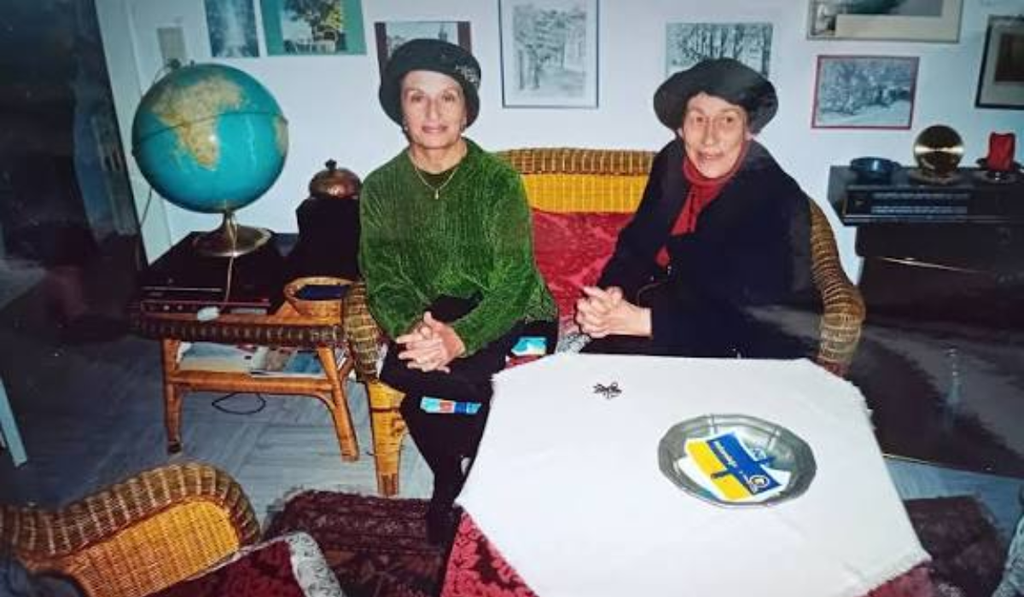
After the war, Gabi gradually moved into a life beyond the concentration camp experience. Reliable public information about her later personal life is relatively limited, partly because she did not become a major public figure. This distinction matters when researching historical biographies online. Some websites publish conflicting claims about her later years, including uncertain information about death dates, memoirs, and public activities. The Anne Frank House, however, currently identifies her as living in its research database. A responsible biography should therefore distinguish documented facts from unsupported internet claims and avoid presenting uncertain details as established history.
Gabi Goslar Private Life and Privacy
Privacy is an important part of understanding Gabi’s biography. Her older sister Hannah became a public witness who shared memories of Anne Frank and Holocaust experiences, while Gabi’s public profile remained much quieter. Not every survivor wanted to make personal trauma the center of public attention. Some rebuilt their lives through family, education, work, community, and private remembrance. The limited amount of verified information about Gabi’s later years should therefore be respected. Rather than filling gaps with speculation, readers should recognize that a private life can itself be meaningful. Historical importance does not require constant media appearances, interviews, or public recognition.
Gabi Goslar Historical Importance
The historical importance of Gabi Goslar comes from what her life represents. She was among the Jewish children whose lives were disrupted by Nazi persecution and who survived circumstances that killed millions of others. Her experience provides a human perspective on the Holocaust that statistics alone cannot provide. She also demonstrates how children could become victims of deportation, imprisonment, disease, hunger, and family separation. Her story belongs alongside the stories of other child survivors because it reminds readers that the Holocaust affected entire families and generations. Understanding individual experiences makes the broader historical record more personal, understandable, and difficult to forget.
Gabi Goslar Story and Holocaust Memory
Remembering individual survivors is an important part of Holocaust education. Gabi’s story helps demonstrate that historical memory is not limited to famous diaries or well-known photographs. Behind every major historical event were ordinary families facing extraordinary circumstances. The Goslar family’s experiences connect Amsterdam, Westerbork, Bergen-Belsen, and the final transport that ended near Tröbitz. These places form part of a wider historical landscape of persecution and survival. Remembering such stories encourages future generations to examine how discrimination can become institutionalized and how quickly civil rights can disappear when hatred and authoritarianism are allowed to grow.
Gabi Goslar Legacy of Survival
The legacy associated with Gabi Goslar is primarily one of survival, family, and historical remembrance. Her life challenges readers to consider the experiences of children who had little control over the events surrounding them. She survived conditions that destroyed countless families, and her survival became part of the broader testimony preserved by Holocaust historians and institutions. Her connection to Hannah also demonstrates the importance of family testimony. Through Hannah’s later recollections and archival research, details about Gabi’s childhood have remained accessible. Her story therefore contributes to a larger historical record that honors victims while documenting the resilience of those who survived.
Gabi Goslar Importance for Young Readers
For younger readers, the story of Gabi can make Holocaust history easier to understand on a human level. A child’s experience highlights how persecution affected ordinary routines such as family life, schooling, health, food, and personal safety. It also shows why historical education should avoid treating the Holocaust as merely a collection of dates. Behind every number was a person with relatives, hopes, fears, and memories. Learning about child survivors can encourage empathy while helping students recognize the dangers of antisemitism, racism, discrimination, and dehumanization. Historical knowledge becomes most meaningful when it encourages responsible choices in the present.
Gabi Goslar Lessons From Her Life
Several important lessons can be drawn from her survival story. First, persecution can escalate gradually when discriminatory policies are normalized. Second, children are especially vulnerable during war and political violence. Third, family relationships can become crucial sources of strength during extreme circumstances. Finally, historical memory depends on preserving evidence and listening carefully to survivors and archives. The Anne Frank House research material provides an important documented foundation for understanding her relationship to Hannah and the wartime events that followed. These lessons remain relevant because societies continue to face challenges involving intolerance, prejudice, misinformation, and historical denial.
Gabi Goslar and the Anne Frank Legacy
The relationship between the Goslar family and Anne Frank adds another layer to this history. Anne is remembered worldwide because her diary preserved the thoughts of a Jewish teenager hiding during Nazi persecution. Hannah knew Anne before the hiding period, while Gabi belonged to the same family and later endured her own devastating wartime experiences. Their stories demonstrate that Anne’s world included many people whose lives followed different paths. Studying these connected histories broadens understanding of the Holocaust and prevents the past from becoming centered on a single narrative. It reminds readers that every survivor and victim had an individual story.
Gabi Goslar Facts and Common Misunderstandings
Online information about Gabi contains several contradictions, so readers should approach unsupported claims carefully. The Anne Frank House identifies her full name as Rahel Gabriële Ida Goslar, gives her birth date as October 25, 1940, and states that she is living. Other websites have published claims that she died in 2017 or that she authored specific books, but these claims are not consistently supported by stronger historical sources. A reliable biography should prioritize archival institutions and established historical organizations over unsourced biography websites. This approach reduces misinformation and helps preserve the accuracy of Holocaust remembrance.
Gabi Goslar Enduring Message
The enduring message of Gabi’s life is not celebrity but resilience. She was born into a family seeking safety, grew up under Nazi occupation, endured imprisonment, lost her father, survived a catastrophic transport, and eventually entered a postwar world that had been transformed forever. Her story reminds us that survival can take many forms. Some people become public witnesses, while others maintain quieter lives. Both experiences deserve respect. The historical record surrounding her childhood gives readers an opportunity to understand the Holocaust through the experience of a very young child whose family was caught inside one of history’s darkest periods.
Gabi Goslar Final Reflection and Legacy
Gabi Goslar’s biography is ultimately a story about childhood interrupted by persecution and survival achieved against overwhelming odds. Her connection to Hannah Pick-Goslar and Anne Frank provides an important historical link, but her significance extends beyond that connection. She represents countless Jewish children whose childhoods were destroyed by Nazi persecution and whose stories survived only through relatives, archives, and historical research. The Anne Frank House remains an important source for documented information about her life and wartime experiences. For further background on Anne Frank and the history surrounding her story, readers can explore the related Anne Frank Wikipedia article. Remembering these connected lives helps ensure that the human reality behind Holocaust history is never forgotten.
Frequently Asked Questions
- Who was Gabi Goslar? — Answer: She was a Jewish child survivor of the Holocaust and the younger sister of Hannah Goslar, Anne Frank’s childhood friend.
- When was Gabi Goslar born? — Answer: She was born on October 25, 1940, in Amsterdam, Netherlands, according to the Anne Frank House research database.
- What was her connection to Anne Frank? — Answer: Her older sister Hannah was a close childhood friend of Anne Frank; Gabi was Hannah’s much younger sister.
- Did she survive Bergen-Belsen? — Answer: Yes. Historical records from the Anne Frank House state that she was imprisoned at Bergen-Belsen and later survived the transport toward Theresienstadt.
- Why is her story historically important? — Answer: Her experience represents the suffering and survival of Jewish children during the Holocaust and contributes to broader historical remembrance.