
 admin
admin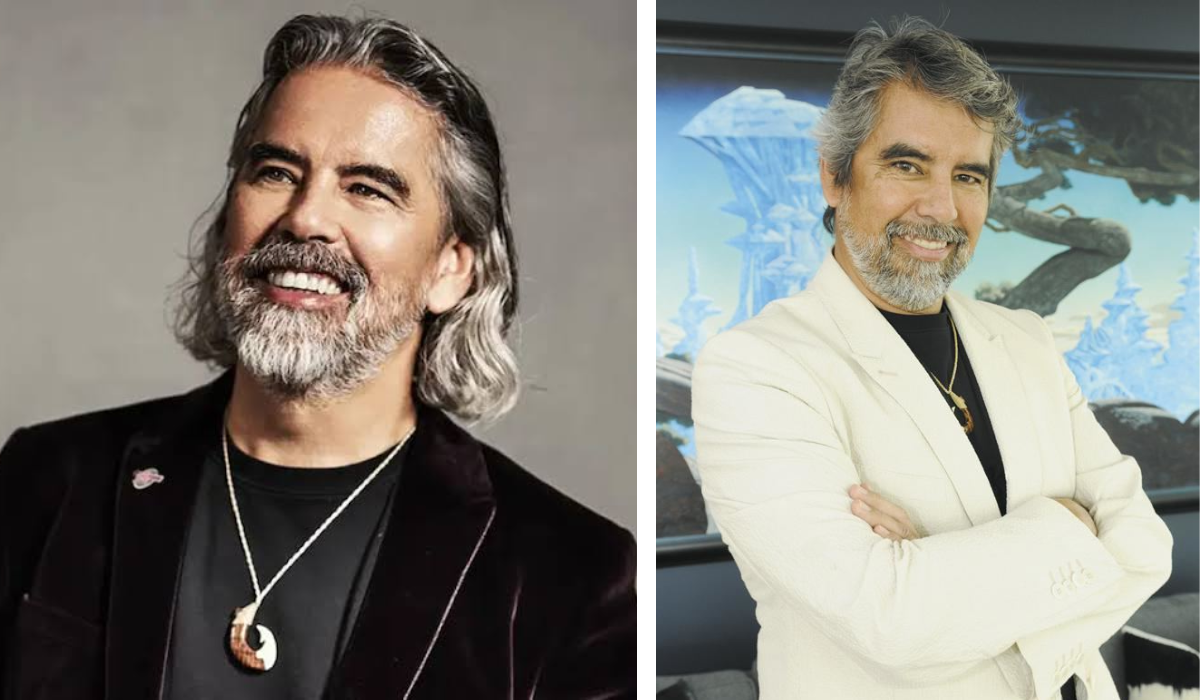
Henk Rogers and His Remarkable Journey
Henk Rogers is a Dutch-born American video game designer, entrepreneur, and environmental advocate best known for helping bring Tetris to the global gaming market. His career combines technology, business, entertainment, renewable energy, and space exploration. From developing The Black Onyx in Japan to negotiating Tetris rights in Moscow, his professional journey has been unusually influential. Later, he turned much of his attention toward clean energy and climate action, creating organizations designed to encourage renewable power and a more sustainable future.
| Quick Bio | Details |
|---|---|
| Full Name | Henk Rogers |
| Birth Year | 1953 |
| Birthplace | Amsterdam, Netherlands |
| Profession | Entrepreneur, Game Designer, Environmental Advocate |
| Best Known For | Tetris and The Black Onyx |
| Major Company | The Tetris Company |
| Foundation | Blue Planet Foundation |
| Education | University of Hawaii |
| Children | Four |
| Main Base | Hawaii |
Henk Rogers: Early Life and Background
Henk Rogers was born in Amsterdam and spent his early childhood in the Netherlands before moving to New York City with his family. His interest in technology developed while attending Stuyvesant High School, where he programmed a computer for the first time. He later moved to Hawaii and studied computer science at the University of Hawaii. His experiences across Europe, America, Hawaii, and Japan helped shape his international outlook and eventually prepared him for a career connecting different cultures through technology and entertainment.
Henk Rogers: Education and Interest in Technology
During his university years in Hawaii, Rogers studied computer science while developing a strong interest in games. He was also fascinated by Dungeons & Dragons and the emerging possibilities of interactive entertainment. At a time when the video game industry was still developing, he recognized that software could become an important creative and commercial medium. His education gave him technical knowledge, while his enthusiasm for games encouraged him to think about publishing, design, and international markets rather than focusing only on programming.
Henk Rogers: Move to Japan
In 1976, Rogers moved to Japan, where he eventually became deeply involved in the country’s developing computer game industry. Japan offered an exciting environment for someone interested in technology and entertainment. Rogers spent years learning the market and understanding what Japanese players wanted from games. His ability to work across languages and cultures became an important advantage. Rather than simply importing existing products, he wanted to create games that could establish new categories and attract a broad audience.
Henk Rogers: Creating The Black Onyx
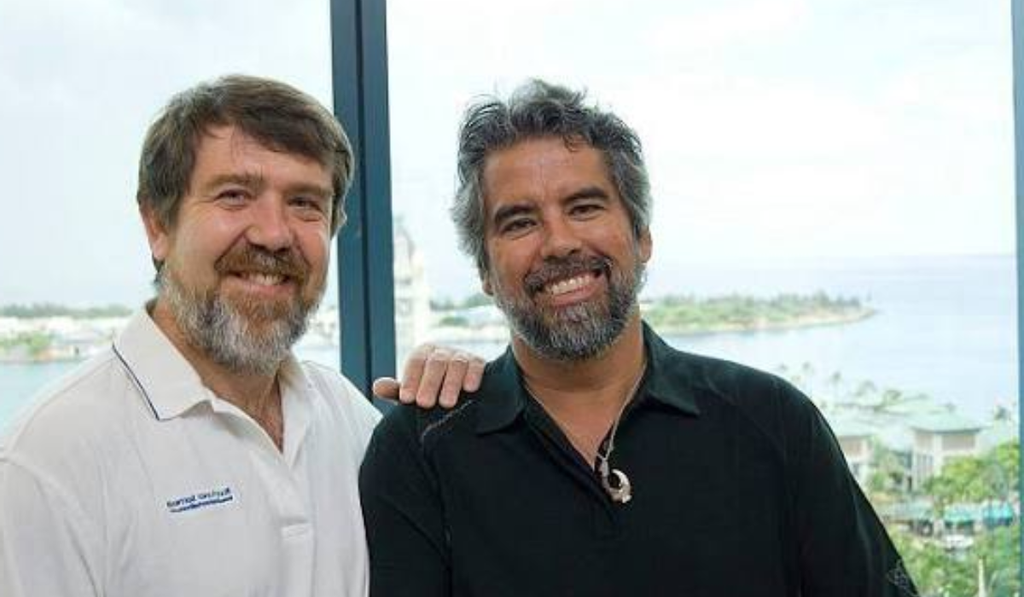
One of Rogers’ earliest major achievements was The Black Onyx, a role-playing game developed and published through Bullet-Proof Software. The game became a landmark in Japanese gaming and achieved major commercial success. It demonstrated that Rogers could identify an emerging genre and adapt it for a new audience. The Black Onyx also established his reputation as an innovative game entrepreneur. Its success gave him credibility and encouraged him to search for other games with international potential.
Henk Rogers: Bullet-Proof Software
Rogers founded Bullet-Proof Software as his first major computer game publishing business. The company allowed him to develop and distribute games for the growing Japanese market. Its activities placed Rogers at the center of an industry that was rapidly changing through home computers and video game consoles. Bullet-Proof Software became particularly important because it provided the business foundation for his later work with Tetris. The company’s experience also taught Rogers valuable lessons about licensing, publishing, marketing, and international negotiations.
Henk Rogers: Discovering Tetris
In 1988, Rogers encountered Tetris at the Consumer Electronics Show in Las Vegas. He immediately recognized the game’s unusual combination of simplicity, accessibility, and replay value. Instead of seeing it as just another puzzle game, he believed it could become a worldwide phenomenon. Rogers pursued the rights to distribute the game in Japan and eventually became involved in the complicated international licensing negotiations surrounding the Soviet-created title. That decision became one of the defining moments of his career.
Henk Rogers: The Moscow Tetris Deal
Rogers traveled to Moscow in 1989 to negotiate Tetris rights with ELORG, the Soviet organization responsible for software export matters. The negotiations were difficult because the legal and commercial environment was very different from Western markets. Rogers nevertheless managed to secure important rights for Nintendo’s Game Boy. His persistence helped create the commercial arrangement that brought Tetris to Nintendo’s handheld system. The deal became one of the most famous stories in video game business history and later inspired the 2023 film Tetris.
Henk Rogers: Relationship With Alexey Pajitnov
During the Tetris negotiations, Rogers met Alexey Pajitnov, the Soviet computer scientist who created Tetris. The two developed a close friendship that eventually became a long-term professional partnership. Their relationship was important because it connected the game’s creator with an entrepreneur capable of building an international business around the property. Rogers later helped establish a business structure that protected and managed Tetris rights. Their friendship remains one of the central human stories behind the game’s extraordinary commercial history.
Henk Rogers: Tetris and Nintendo Game Boy
The connection between Tetris and Nintendo’s Game Boy proved enormously important for the handheld gaming industry. Rogers helped secure the necessary rights and played a major role in bringing the game to the platform. Tetris became closely associated with the Game Boy and helped demonstrate that handheld gaming could reach a massive worldwide audience. The game’s simple mechanics made it accessible to people who had never considered themselves traditional gamers, helping turn puzzle gaming into a mainstream form of entertainment.
Henk Rogers: The Tetris Company
Henk Rogers later became a central figure in The Tetris Company, an organization responsible for managing and licensing the Tetris brand. His partnership with Pajitnov helped create a long-term business structure around the intellectual property. The Tetris brand expanded across consoles, computers, mobile devices, and online platforms. Its continuing popularity shows the lasting strength of the original concept. Rogers’ role was not simply about one successful game; he helped establish a licensing strategy that allowed Tetris to remain commercially relevant for decades.
Henk Rogers: Blue Planet Software
Blue Planet Software became another major part of Rogers’ professional story. The company was established to manage the Tetris brand and its licensing activities. Under this structure, Tetris continued reaching new audiences through different technologies and platforms. The company helped keep the property active as gaming moved from personal computers and consoles toward mobile phones and digital services. Rogers’ ability to adapt a decades-old game to changing technology became an important part of his entrepreneurial legacy.
Henk Rogers: Mobile Gaming Expansion
Rogers also recognized the potential of mobile phones before smartphone gaming became a dominant industry. In 2002, he founded Blue Lava Wireless, which focused on mobile games and helped bring Tetris to mobile devices. The company was later sold, creating another major financial milestone in his career. Mobile gaming eventually became one of the largest sectors of the entertainment business. Rogers’ early interest in the category demonstrated his ability to identify technological changes and position familiar intellectual property for emerging platforms.
Henk Rogers: Career Beyond Video Games
Although gaming established Rogers’ reputation, his ambitions eventually expanded beyond entertainment software. He became increasingly interested in energy, environmental protection, entrepreneurship, and space exploration. Rather than retiring after achieving success in gaming, he began creating organizations focused on what he considered larger challenges. His later career reflects a shift from building digital entertainment products to developing practical solutions for energy independence and sustainability. This second phase of his professional life has become almost as distinctive as his work with Tetris.
Henk Rogers: Blue Planet Foundation
Rogers founded the Blue Planet Foundation in 2007 with a mission centered on reducing dependence on carbon-based fuels. The organization focused strongly on Hawaii and worked to encourage policies supporting renewable energy. Its efforts contributed to Hawaii’s commitment to reaching 100% renewable electricity by 2045. The foundation represents a major transformation in Rogers’ career because it moved his work from commercial technology toward public policy and environmental advocacy. He has continued promoting renewable energy as a long-term solution for communities around the world.
Henk Rogers: Renewable Energy Vision
Rogers has consistently argued that communities should reduce their dependence on fossil fuels and develop reliable renewable energy systems. His approach combines technology, public policy, energy storage, and community involvement. Hawaii has served as an important testing ground for these ideas because of its geographic isolation and dependence on imported fuels. Rogers believes that successful local models can eventually be expanded internationally. His environmental work demonstrates how his entrepreneurial background influences his approach to solving large social and technological challenges.
Henk Rogers: Blue Planet Energy
Blue Planet Energy was founded to develop energy storage systems that can support renewable power and greater energy independence. The company focuses on battery technology, storage systems, and solutions for homes, businesses, and other applications. Rogers’ interest in storage comes from a practical understanding of renewable energy: generating clean electricity is only part of the challenge. Reliable storage can help balance supply and demand and make renewable systems more useful. This work connects his entrepreneurial experience with his broader environmental mission.
Henk Rogers: Space Exploration
Rogers’ interests extend beyond Earth. He has supported the idea of sustainable human settlements on the Moon and Mars through the International MoonBase Alliance. His space-related work focuses on research, simulation, technology, and long-term planning for human activity beyond Earth. Hawaii has also played an important role in these efforts because its volcanic landscape can provide useful environments for studying planetary exploration. His space ambitions demonstrate the breadth of his vision and his interest in technologies that could shape future generations.
Henk Rogers: HI-SEAS and Space Research
The Hawaii Space Exploration Analog and Simulation, commonly known as HI-SEAS, became an important project associated with Rogers’ space interests. The habitat was designed to simulate conditions relevant to long-duration missions on the Moon and Mars. Such simulations can help researchers study isolation, teamwork, habitat operations, and human behavior. Rogers supported the project because he views Hawaii as a potential center for space research and development. His involvement illustrates his belief that environmental sustainability and space exploration can share technological and scientific goals.
Henk Rogers: Family and Personal Life
Rogers has maintained a family life alongside his entrepreneurial career. His official biography describes him as the father of four children and a grandfather. Family has remained an important part of his identity despite decades spent building companies and pursuing international projects. His daughter Maya Rogers has also become an important business figure associated with the Tetris brand. The family’s connection to technology and entrepreneurship demonstrates how Rogers’ professional interests have extended into the next generation.
Henk Rogers: Life in Hawaii
Hawaii has played a central role in Rogers’ personal and professional life. He studied at the University of Hawaii and later returned to the islands as his entrepreneurial career developed. The state became the base for several of his companies and nonprofit organizations. It also became the starting point for his renewable-energy mission. Rogers has described living an increasingly sustainable lifestyle, including an off-grid home powered through renewable energy and energy storage. Hawaii therefore represents both his home and a laboratory for many of his ideas.
Henk Rogers: The 2023 Tetris Movie
The extraordinary story of Tetris negotiations reached a new audience through the 2023 Apple TV+ film Tetris. The movie dramatized Rogers’ journey to the Soviet Union and his efforts to secure rights for the game. Like many historical films, it contains dramatized elements, but it introduced millions of viewers to the business story behind a familiar video game. Rogers’ real-life experiences provided the foundation for a story involving international politics, technology, friendship, negotiation, and enormous commercial potential.
Henk Rogers: Awards and Recognition
Rogers has received recognition for contributions to both gaming and environmental causes. He was inducted into the Academy of Interactive Arts and Sciences Hall of Fame in 2008 and has received honors connected to his work in Hawaii and sustainability. His recognition reflects the unusual combination of fields in which he has made an impact. Few technology entrepreneurs have been associated so strongly with both a globally recognized entertainment brand and a long-term campaign for renewable energy.
Henk Rogers: Business Philosophy
A major feature of Rogers’ career is his willingness to take calculated risks. Traveling to Moscow to negotiate Tetris rights required confidence, persistence, and an understanding that the opportunity could be transformative. His later environmental work follows a similar philosophy. Instead of waiting for perfect conditions, he has supported ambitious projects designed to demonstrate what might be possible. His career suggests that successful entrepreneurship often involves identifying a future opportunity before it becomes obvious to everyone else.
Henk Rogers: Net Worth and Financial Success
Public estimates of Rogers’ net worth vary, and there is no universally verified current figure. His wealth has been connected to decades of entrepreneurship, intellectual property, technology businesses, and successful company exits. His sale of Blue Lava Wireless represented a significant financial event, while his involvement with the Tetris brand created long-term commercial value. Because private assets and business interests are not fully disclosed, specific online net worth figures should be treated as estimates rather than confirmed financial statements.
Henk Rogers: Lasting Legacy
Rogers’ legacy extends well beyond one video game. In gaming, he helped turn Tetris into a worldwide cultural phenomenon and played a critical role in its connection with Nintendo’s Game Boy. In environmental work, he has promoted renewable energy and energy independence through organizations such as the Blue Planet Foundation and Blue Planet Alliance. His space projects add another dimension to his career. Together, these achievements present a picture of an entrepreneur who continually looks for large challenges where technology can create meaningful change.
Henk Rogers: Why His Story Still Matters
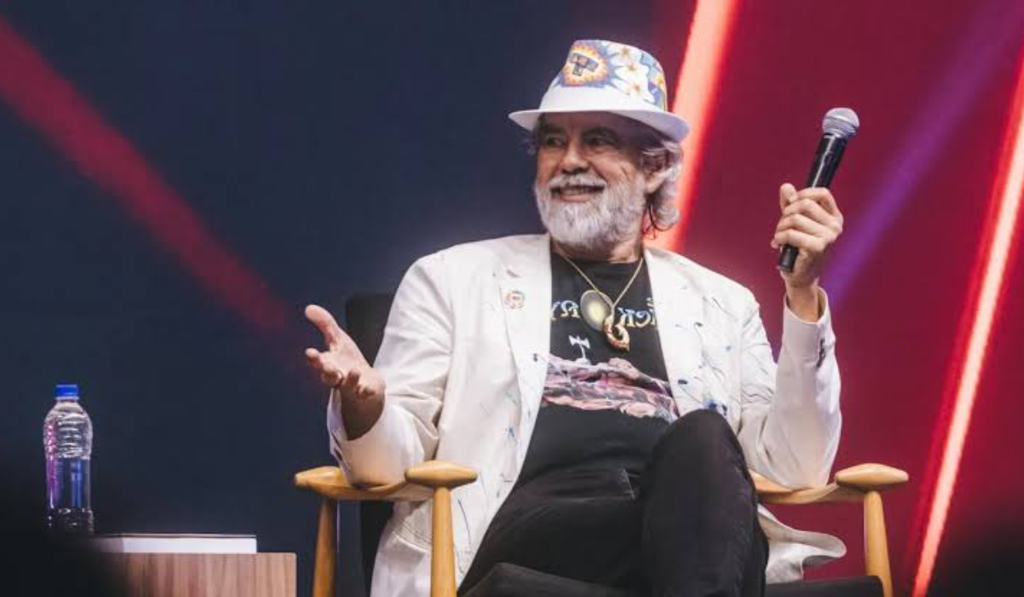
The career of Rogers remains relevant because it demonstrates how ideas can evolve across decades. A simple puzzle game became a global entertainment brand, while a personal interest in sustainability developed into major environmental organizations. His story also highlights the importance of international cooperation, licensing, entrepreneurship, and persistence. For technology entrepreneurs, his career provides lessons about recognizing opportunities and adapting to new markets. For environmental advocates, it offers an example of using business experience to support long-term policy and technological change.
Henk Rogers: Future Vision
Rogers continues to promote a future built around renewable energy, technological innovation, and sustainable human development. His environmental organizations aim to help communities move away from fossil fuels, while his space interests explore the possibility of human settlements beyond Earth. These goals are ambitious, but ambition has been a recurring theme throughout his career. From early computer games to international licensing and clean-energy initiatives, his professional path has consistently focused on opportunities that could influence large numbers of people.
Frequently Asked Questions
1. Who is Henk Rogers?
- Henk Rogers is a Dutch-born American entrepreneur and game designer best known for helping bring Tetris to the global market.
2. What is Henk Rogers famous for?
- He is famous for his role in securing Tetris rights for Nintendo’s Game Boy and for developing The Black Onyx in Japan.
3. What company did Henk Rogers create for Tetris?
- He founded and helped develop companies responsible for managing and licensing the Tetris brand, including Blue Planet Software and The Tetris Company.
4. What does Henk Rogers do today?
- He focuses heavily on renewable energy, climate action, entrepreneurship, and projects related to sustainable space exploration.
5. How did Henk Rogers influence renewable energy?
- He founded the Blue Planet Foundation and supported initiatives promoting Hawaii’s transition toward 100% renewable electricity by 2045.
Final Thoughts on Henk Rogers
Henk Rogers has built a rare career that connects video games, international business, renewable energy, and space exploration. His journey from The Black Onyx to Tetris and later environmental initiatives demonstrates how one entrepreneur can repeatedly adapt to changing technology and global challenges. His story is ultimately about recognizing opportunities, taking risks, and pursuing ambitious goals. For additional background and biographical information, readers can explore the Wikipedia page for Henk Rogers and the official resources related to his career.